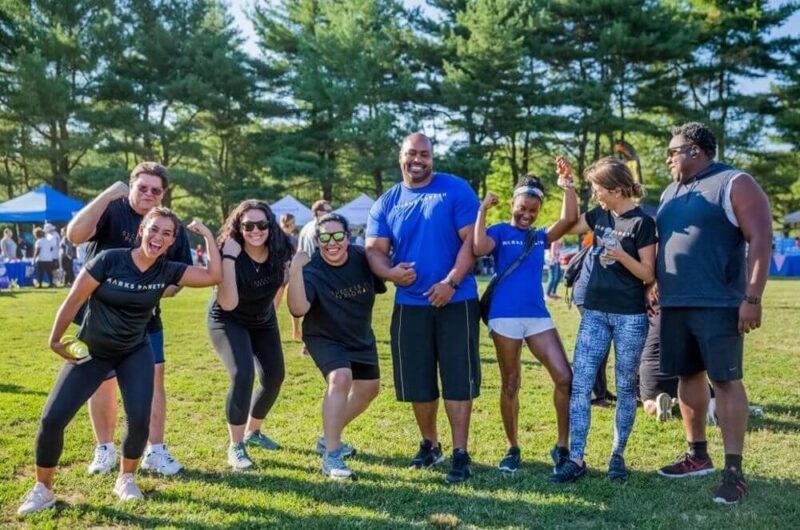
Many public health researchers agree on one simple truth: people stay healthier when they feel connected to others.
According to the World Health Organization, strong social connections significantly improve health and longevity.
A 2025 report from the WHO Commission on Social Connection states that 1 in 6 people worldwide experiences loneliness, and stronger social relationships are linked to better physical and mental health outcomes.
Community wellness programs bring neighbors, local organizations, and health professionals together around shared goals. These initiatives encourage healthy lifestyles, provide education, and create spaces where people interact in positive ways.
When programs are designed thoughtfully, they build trust between residents and local institutions while making wellness activities feel accessible and welcoming.
Communities that invest in collaborative initiatives often see stronger participation and long term improvements in quality of life.
Types of Community Wellness Programs
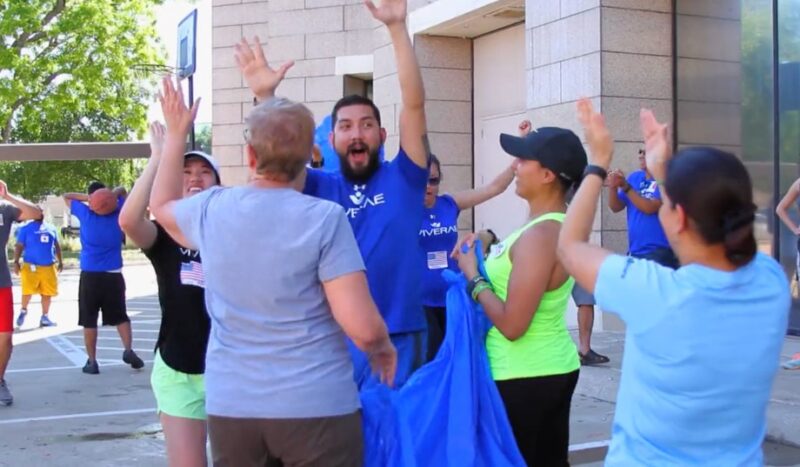
Community wellness programs can take many forms depending on local priorities and available resources. Some focus on physical activity while others emphasize education, emotional support, or food access.
Local organizers usually select programs that reflect the interests and needs of residents. The following overview highlights several common program types and their main goals.
| Program Type | Main Goal |
| Fitness and activity programs | increase physical health |
| Mental health support groups | improve emotional well being |
| Nutrition education | promote healthy eating |
| Community gardens | encourage social connection |
These program models work well because they combine health benefits with opportunities for interaction. Residents are more likely to participate when activities are social and accessible rather than purely informational.
Communities often begin with a small number of initiatives and expand once participation grows and partnerships strengthen.
Why Participation Matters
Participation is the factor that determines whether a wellness program becomes a meaningful community resource or simply another short term initiative. Programs that attract a wide range of residents generate stronger social networks and lasting behavioral changes.
Active participation supports several important outcomes.
- Programs gain credibility when residents see neighbors attending regularly and sharing positive experiences.
- Social connections grow stronger when people engage in group activities rather than isolated efforts.
- Local ownership develops when residents feel they contribute to shaping the program.
When participation increases, wellness programs often evolve into trusted community institutions.
Residents begin to share information with friends and family, which creates a natural cycle of growth and engagement.
Over time, the program becomes part of the community identity rather than an external project run by outside organizers.
Community Wellness Program Ideas That Attract Residents
Successful wellness initiatives usually combine practical health benefits with enjoyable group experiences.
Activities that feel welcoming and social often draw the highest attendance.
Several program ideas consistently generate strong participation in many communities.
- Outdoor fitness groups that organize weekly exercise sessions in parks or open public spaces.
- Community gardens where residents grow vegetables together and exchange gardening knowledge.
- Health workshops that provide guidance on nutrition, disease prevention, and healthy habits.
- Mental health circles where participants share experiences in supportive environments.
These initiatives succeed because they blend learning with social interaction. Participants gain useful information while also building relationships with others who share similar goals.
Did you know?
Research published in the Journal of Public Health Management and Practice found that community programs combining education with social engagement often achieve higher retention rates than programs based solely on lectures or informational sessions.
Building Trust Through Local Engagement

Trust is one of the most important ingredients of a successful community wellness program. Residents are more likely to participate when they believe the initiative reflects their needs and values.
Programs gain credibility when organizers involve respected local figures and community members in planning and leadership roles. Familiar faces make initiatives feel authentic and approachable.
Several strategies help strengthen trust within wellness initiatives.
- Involving community leaders who already maintain relationships with local residents.
• Communicating openly about program goals, schedules, and available resources.
• Hiring local volunteers or staff members who understand the community’s culture and priorities.
A community centered wellness initiative places residents at the heart of planning and decision making rather than treating them as passive participants.
This approach signals respect and helps residents feel that the program truly belongs to them.
Outreach Strategies That Increase Participation
Even well designed wellness programs require effective outreach to reach potential participants. Many residents simply do not know that these initiatives exist.
Successful outreach focuses on meeting people where they already spend time. Local gathering spaces often serve as natural communication channels.
Common outreach approaches include partnerships with trusted community organizations and visible public events.
- Hosting informational sessions at community centers or libraries.
- Collaborating with schools and youth organizations that connect with families.
- Sharing program updates through social media groups and neighborhood platforms.
Technology also plays a supporting role in organizing community activities.
Many programs rely on scheduling and communication tools to coordinate volunteers and track participation.
In these cases, accessible solutions such as Software for program coordination can simplify planning and help organizers manage events efficiently.
When communication channels remain clear and consistent, participation usually increases.
Barriers That Reduce Participation
Despite good intentions, many wellness initiatives struggle with participation challenges. Understanding these barriers helps organizers design more inclusive programs.
Common obstacles often appear in communities where residents feel disconnected from local institutions or lack access to transportation and resources.
Several factors frequently reduce engagement.
- Limited trust in institutions or external organizations.
- Financial or transportation barriers that prevent regular attendance.
- Cultural differences that make programs feel unfamiliar or unwelcoming.
Studies examining community health initiatives show that trust strongly influences participation levels. When residents feel respected and heard, they are far more likely to attend events and recommend programs to others.
Addressing barriers early helps ensure that programs remain accessible and inclusive for all members of the community.
Measuring the Impact of Wellness Programs

Evaluating the effectiveness of a wellness initiative helps organizers understand which activities truly benefit the community. Measurement does not require complicated systems, but it should capture both participation and long term outcomes.
Several indicators provide valuable insight into program success.
- Total number of participants attending events or activities.
- Changes in lifestyle habits such as exercise frequency or dietary choices.
- Participant feedback about satisfaction and perceived benefits.
Some communities also track social indicators, such as increased volunteer involvement or new partnerships among local organizations.
These measurements reveal whether programs are creating meaningful change. They also provide useful information for improving future initiatives and securing support from partners or sponsors.
Final Perspective
Community wellness programs have the potential to transform how people experience health within their neighborhoods. When initiatives combine accessible activities, strong communication, and genuine community involvement, participation naturally grows.
Programs that encourage collaboration between residents, local organizations, and health professionals often create lasting benefits. They strengthen social connections, improve access to resources, and promote healthier daily habits.
With thoughtful planning and consistent engagement, community wellness initiatives can become trusted spaces where people support one another and build stronger, healthier communities together.